
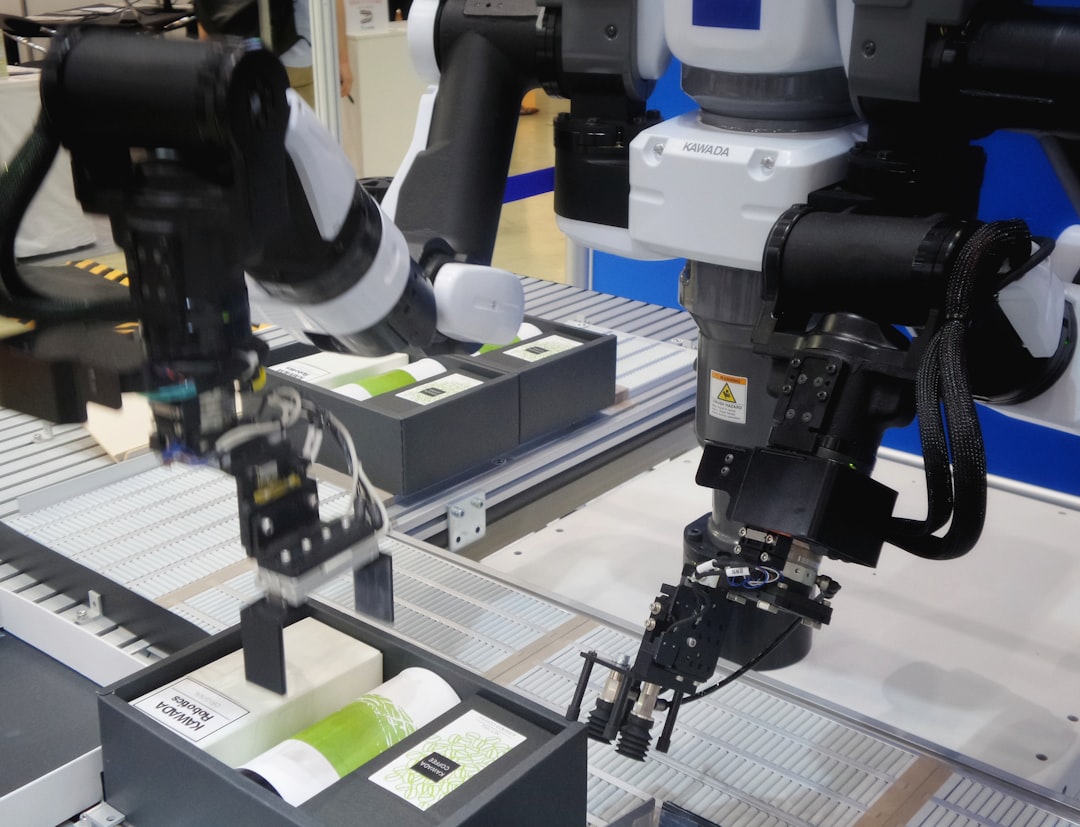
For manufacturers in regulated industries like medical devices, packaging is more than a container. It is a critical component of the assembly process, directly impacting labor efficiency, product integrity, and regulatory compliance. A common bottleneck in kit assembly operations is the manual forming of corrugated trays from flat die-cut blanks. This case study examines how a Southern California-based medical device manufacturer eliminated this bottleneck, cutting kit assembly time by 25% by partnering with Rox Packaging to implement a switch to machine-folded and glued corrugated trays.
1. The Bottleneck: Manual Tray Formation in Kit Assembly
The manufacturer assembles sterile procedure kits containing multiple components (e.g., specialized tools, drapes, disposable instruments). Each kit requires a custom-sized, partitioned corrugated tray to hold components securely during sterilization, shipping, and point-of-use.
Previously, the operation used flat die-cut blanks with scored fold lines. On the assembly line, an operator would:
- Retrieve a flat blank from a stack.
- Manually fold along multiple score lines.
- Apply pressure-sensitive tape or insert locking tabs to secure the tray's corners.
- Inspect the tray for proper form before placing it on the assembly conveyor.
This process introduced several pain points:
- Labor Intensity: Each tray required 45-60 seconds of skilled labor to form and secure.
- Inconsistency: Manual folding led to variations in corner angles and tray wall alignment, sometimes compromising the fit of internal partitions.
- Documentation Burden: For FDA compliance, the manufacturer must document assembly processes and component specifications. Validating the consistency of a manually formed tray added complexity to their quality records.
- Line Congestion: The folding operation paced the entire assembly line, limiting throughput.
The operations lead identified tray formation as a primary target for process improvement, with goals of reducing touch labor, improving uniformity, and simplifying quality documentation.
2. The Engineering Solution: Machine-Folded and Glued Trays
The team at Rox Packaging analyzed the existing flat blank design and the assembly line constraints. The proposed solution was to convert the flat blank into a machine-folded and glued tray, delivered to the plant as a finished, three-dimensional product, ready for automated insertion onto the line.
Key engineering specifications for the new tray design:
| Specification | Detail | Rationale |
|---|---|---|
| Board Grade | 200# Test, C-Flute, Clay Coated White Top | Provided the required rigidity for product protection and a clean, medical-grade appearance. The C-flute profile offered an optimal balance of cushioning and stacking strength. |
| ECT Rating | 32 ECT | Ensured the tray met or exceeded standard shipping integrity requirements for the packaged kit's weight. |
| Adhesive | Hot-Melt Glue (FDA-compliant formulation) | Provided a fast, strong, and clean bond at the critical corner seams, superior to tape or locking tabs. The specific formulation was selected for compatibility with the manufacturer's sterilization and storage environment. |
| Tray Dimensions | 14" L x 10" W x 3" D (external) | Maintained the exact footprint required for the existing assembly line fixtures and final shipping carton. |
| Partition | Internal 2x2 cell partition, die-cut from 0.060" solid bleached sulfate (SBS) board | Kept components separated and organized. Supplied as a separate piece for insertion into the pre-formed tray. |
3. Implementation and Measured Outcomes
The transition required close collaboration. Rox Packaging provided sample trays for line testing to ensure compatibility with robotic grippers and conveyor guides. The manufacturer's procurement and quality teams reviewed and approved the material specifications and glue formulation for their regulatory files.
Upon full implementation, the outcomes were measured over a standard production run of 5,000 kits:
- 25% Reduction in Assembly Time per Kit: The elimination of manual folding reduced the tray-related handling time from an average of 52 seconds to nearly zero. The pre-formed trays were palletized and delivered in ready-to-use stacks, fed directly into the automated insertion stage.
- Elimination of Tray-Formation Variability: Every tray had identical dimensions and corner integrity. This allowed the manufacturer to reference a single, approved component specification (the Rox-supplied tray) in their FDA-mandated Device Master Record, streamlining documentation.
- Reduction in Rejections: Incidents of trays failing or deforming during downstream handling (sterilization packaging, cartoning) fell by over 90% due to the structural consistency of the glued corners.
- Labor Reallocation: The operator previously dedicated to tray folding was reassigned to a final quality audit station, adding value without increasing headcount.
4. Procurement and Sourcing Considerations for Engineered Packaging
For procurement managers evaluating a switch from flat blanks to pre-formed components, several factors determine feasibility and total cost of ownership (TCO).
Key Decision Matrix:
| Factor | Flat Blanks | Machine-Folded & Glued Trays |
|---|---|---|
| Unit Cost | Typically lower (less converted) | Higher (more labor and machine time converted) |
| In-House Labor Cost | High (manual forming) | Negligible |
| Consistency/Quality Control | Variable, requires inspection | High, built into manufacturing process |
| Line Speed | Limited by manual process | Enables automation, higher potential throughput |
| Storage Volume | High efficiency (flat) | Lower efficiency (3D) |
| Regulatory Documentation | More complex (validating a process) | Simplified (validating a component) |
The decision ultimately hinges on volume and labor economics. At pallet-scale quantities (MOQ 1,000+ units), the increased unit cost of pre-formed trays is almost always offset by the dramatic reduction in in-house labor and waste. The business case strengthens further when factoring in the value of improved line speed, reliability, and simplified compliance.
For operations where volume does not justify a full pallet MOQ, Rox Packaging's sister brand, Build A Box Online, offers a solution for short-run, no-MOQ custom boxes and can be a useful prototyping partner.
5. Applications Beyond Medical Devices
The principles demonstrated here apply to any industry where kit assembly, product presentation, or automated packing is critical.
- CPG & Beauty: Pre-folded trays for gift sets, multi-component kits, or retail-ready packaging that requires a polished, consistent look directly out of the shipping case.
- Food & Beverage: Sturdy, glued trays for holding multiple jars, bottles, or pouches in a single package, reducing secondary packaging and damage.
- 3PL & Fulfillment: Standardized, pre-formed trays for kitting operations can dramatically increase pick/pack accuracy and speed for third-party logistics providers serving multiple clients.
In each case, the calculation is the same: move the complexity of fabrication upstream to the packaging converter, where it can be done with industrial efficiency, and simplify the downstream client operation.
6. Getting a Quote for Your Operation
If manual box or tray formation is creating a bottleneck in your assembly or packing line, the first step is a technical review. The Rox Packaging engineering team can assess your current blanks, process flow, and objectives to determine if a switch to pre-formed components is viable and cost-effective.
All projects begin with a detailed RFQ that captures the necessary specifications: dimensions, board grade, flute, quantity, and any special requirements like coatings or adhesives. You can review our full range of capabilities on our products page.
To start the conversation, submit your specifications through our RFQ form. For immediate questions, you can also call our Fullerton office at (888) 406-1610. Based in Fullerton, California, we supply pallet-scale corrugated packaging solutions to manufacturers across the state, backed by 25 years of packaging expertise.